
A Kedarnath helicopter trip is not only about reaching the temple faster - it is about making a high-altitude journey calmer, better timed and easier for everyone travelling with you.
Kedarnath sits at about 3,584 metres in Uttarakhand's Garhwal Himalayas. The temple, mountain weather, road transfer and darshan all need to work together. A well-planned Kedarnath helicopter booking can reduce the long trek for travellers with limited time, older family members or mobility concerns - but it still needs preparation and breathing room.
This guide explains how to prepare for the trip, what the helicopter changes, what it does not change, and how to shape the journey around your group instead of forcing everyone into the same plan.
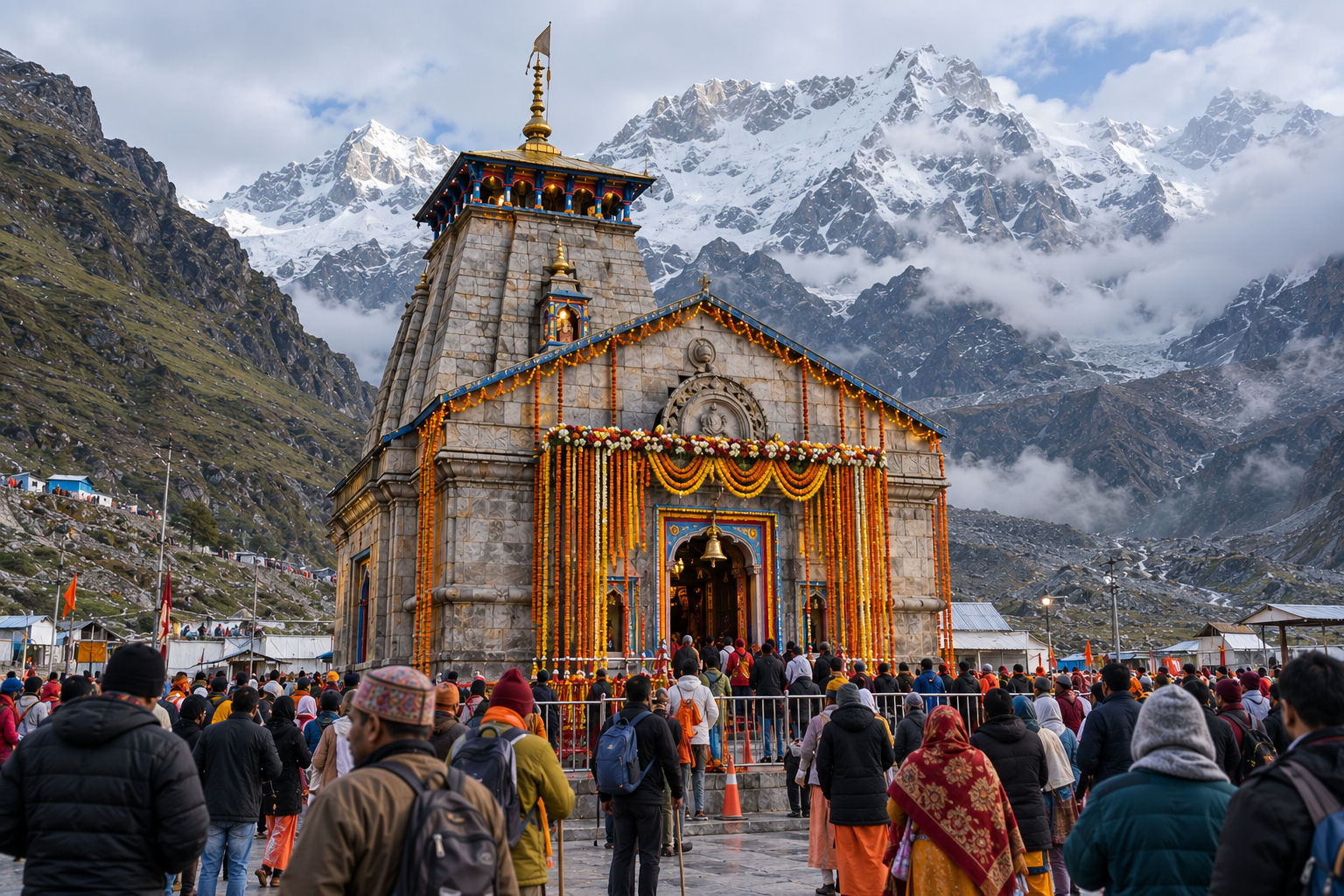
Why a Kedarnath helicopter trip can matter
The traditional Kedarnath route includes a road journey to Gaurikund followed by an approximately 16-kilometre trek. A helicopter changes the physical shape of the visit: it can reduce the walking burden for a parent, a mixed-age group or a traveller with limited time. It is still a high-altitude journey, not a quick airport transfer.
That is why the best Kedarnath helicopter booking is not simply the first available seat. It is the one that fits the group's health, base stay, darshan plan, return timing and wider route.
The 30-second booking check
Before you confirm, pause and check five details:
The date matches the yatra plan and everyone's travel dates.
The departure base fits your road transfer and previous night's stay.
Every passenger name and document detail is correct.
The return timing leaves room for darshan, waiting and weather variation.
There is a real contact person who can help coordinate the whole journey.
This quick check takes less than a minute and can prevent a long chain of avoidable changes later. Think of every booking as part of a complete trip: it should fit the route, the reporting plan and the return.
Your Kedarnath helicopter trip roadmap
Use this simple flow before confirming your journey:
Dates and group → yatra preparation → base-night stay → helipad reporting → flight and altitude care → darshan → safe return
1. Start with the people, not the ticket
List every traveller and identify who needs extra support - age, mobility, altitude experience, walking tolerance and prescribed medication. A helicopter reduces the trek, but sudden altitude gain can still feel intense. Decide early between a same-day visit, an overnight stay or a wider Chardham route.
2. Build the trip around a comfortable base
The departure point is only one part of the journey. Treat the road transfer, previous night's accommodation and reporting time as one plan. Reach the base area the previous day whenever possible, then check documents, charge phones, confirm the vehicle and keep the evening simple.
3. Keep passenger details consistent
Use the same spelling, date of birth and identity details across the yatra registration, travel documents and helicopter reservation. Complete the current yatra registration and carry the required record and ID. Uttarakhand's official guidance requires pilgrims to register and be verified; requirements can change by season, so confirm the latest position for your dates.
4. Treat the helipad as a timed process
Reach the departure point with time to spare. Keep your ticket/confirmation, ID, registration record and contact number accessible. Follow baggage, security and passenger instructions rather than assuming airport habits apply. Flight operations depend on visibility, weather and clearance - if the schedule moves, stay in contact and avoid an onward plan with no flexibility. Safety decisions belong with the operating team.
5. Plan the first hour after landing
The flight is short but the altitude is real. Move slowly, keep warm and notice how each traveller is feeling. Carry water, prescribed medication, a warm layer, rain protection and your documents. Follow local instructions for movement, queues and photography.
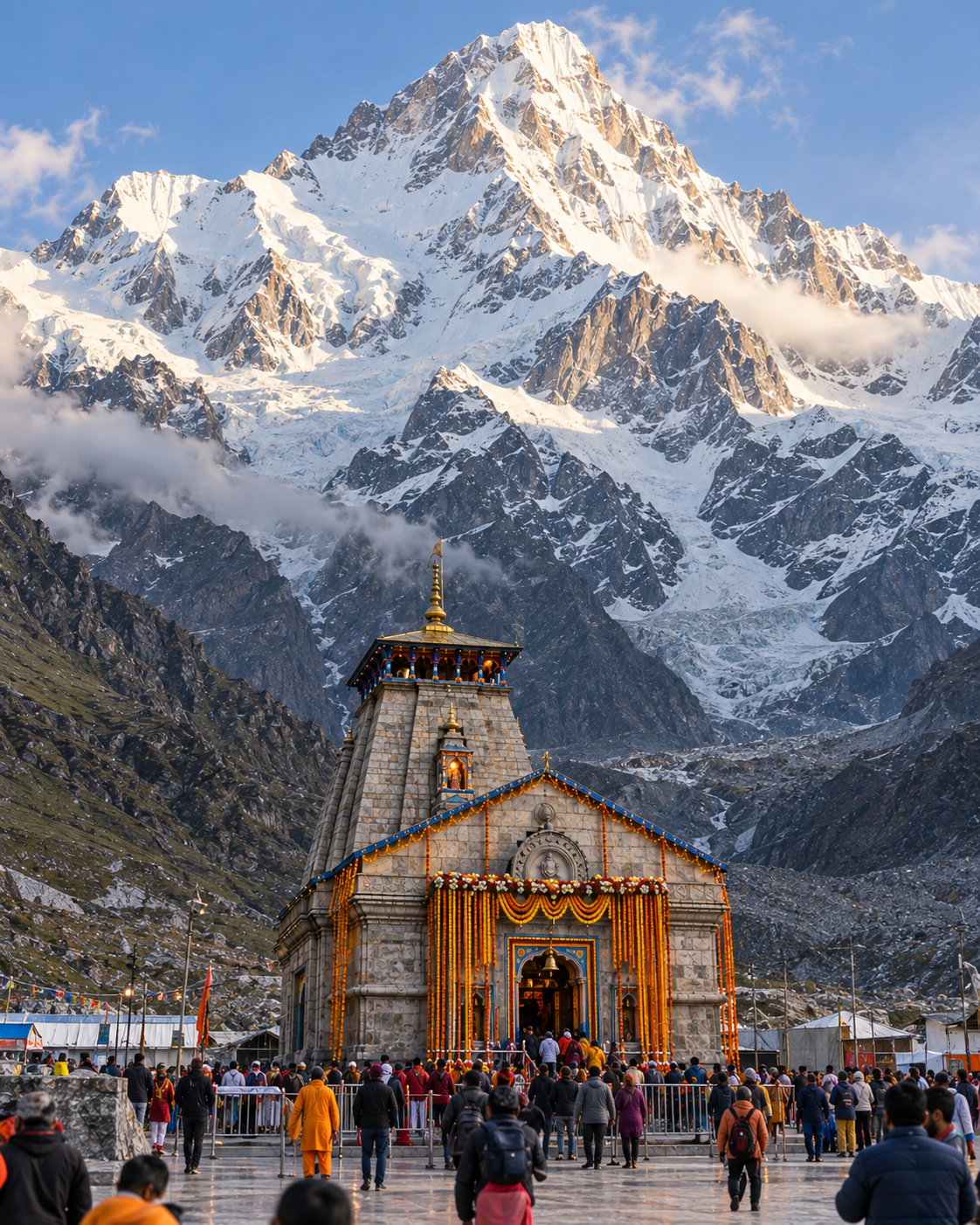
6. Protect the return journey
Do not assume that a morning flight means an easy evening transfer onward. Weather, waiting, passenger processing and darshan timing can change the day. Leave a sensible buffer before any long road sector, especially when Kedarnath is one leg of a Chardham itinerary.
What to pack for a Kedarnath helicopter trip
Pack for cold, wind, rain and strong sunlight without turning your day bag into a suitcase.
Warm layers, gloves and a rainproof outer layer.
Comfortable shoes with reliable grip.
Sunglasses, sunscreen and a cap or hat.
Prescribed medicines and a basic personal-care kit.
Valid photo ID and printed or offline booking details.
A charged phone, a power bank, and an emergency contact written on paper.
Water and a small, practical snack if current instructions permit.
The Badrinath-Kedarnath Temple Committee (BKTC) cautions pilgrims about cold, low humidity, increased ultraviolet exposure and reduced oxygen pressure. If anyone feels seriously unwell, stop, tell responsible staff and seek medical help rather than pushing ahead.
Is a helicopter better than the trek?
It depends on what the group is trying to protect. Choose the trek when the walk is central to the experience, the group is physically prepared and there is time for a slower route. Choose the helicopter when reducing the climb matters for mobility, stamina, time or family comfort. Choose a combination when different travellers have different needs - but settle meeting points, luggage, accommodation and delay plans before leaving home.
There is no universal best option. The right plan is the one that keeps your group safe, comfortable and emotionally present when they reach Kedarnath.
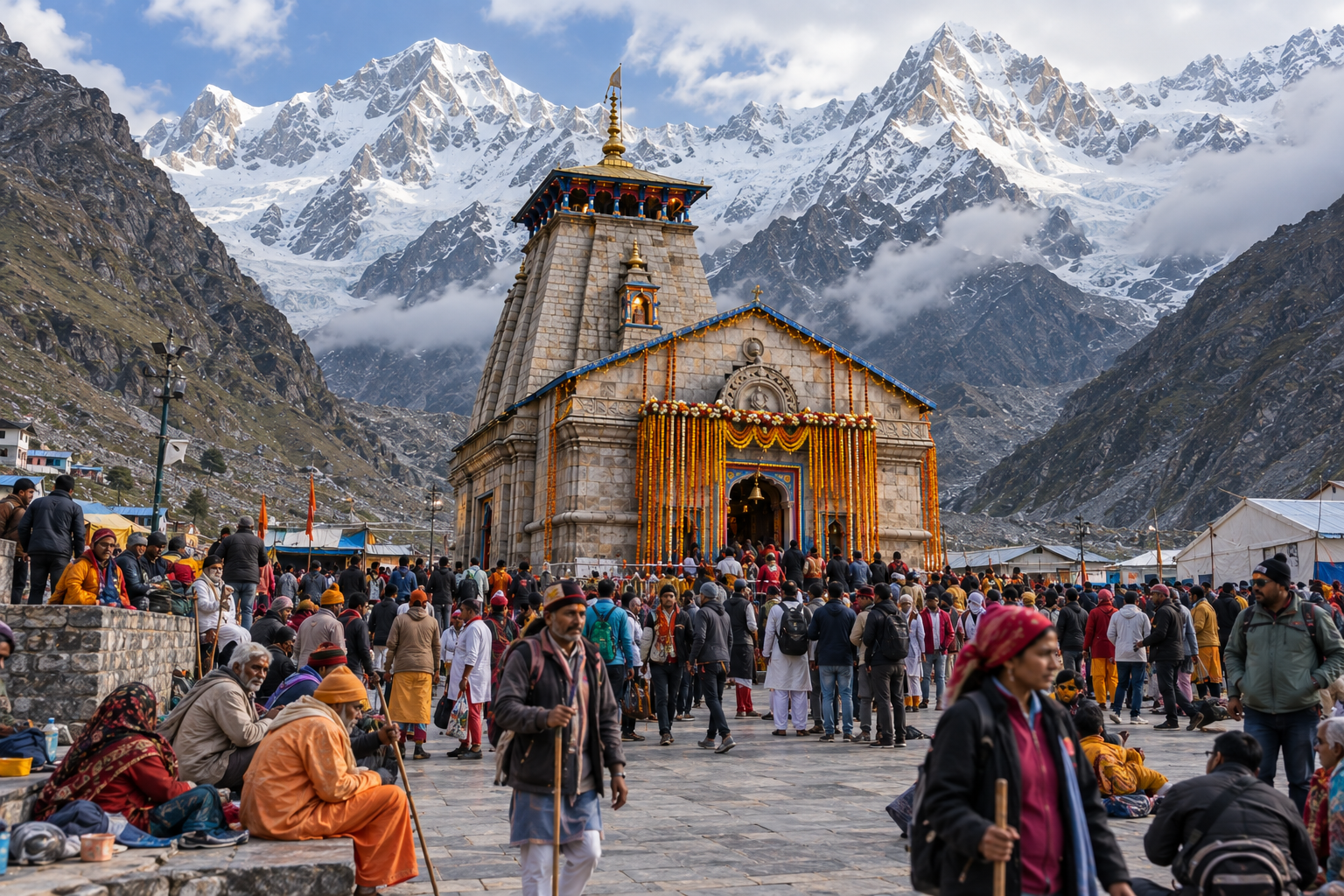
Three mistakes that make the trip harder
Planning only the flight. A seat does not solve the road transfer, base stay, registration, darshan timing or the return.
Packing for a normal holiday. High altitude needs layers, grip, rain protection and accessible medication.
Leaving no weather buffer. Never connect a return flight to an inflexible onward commitment.
When Kedarnath is part of a Chardham plan
The Kedarnath leg often becomes the emotional centre of a Chardham journey, but it needs careful sequencing. Look at road hours, overnight halts, rest, luggage, weather exposure and your group's needs across Yamunotri, Gangotri, Kedarnath and Badrinath.
Plan your Kedarnath journey with the full picture in mind
The most comfortable trip begins before the aircraft - right dates, a realistic base plan, documents ready, altitude awareness and a return schedule that can breathe. For a tailored Kedarnath or Chardham journey, message LN Tourism on WhatsApp or call +91 88588-73018.

